Why Do Most Asbestos Claims End Outside Court?
Oct 15, 2025
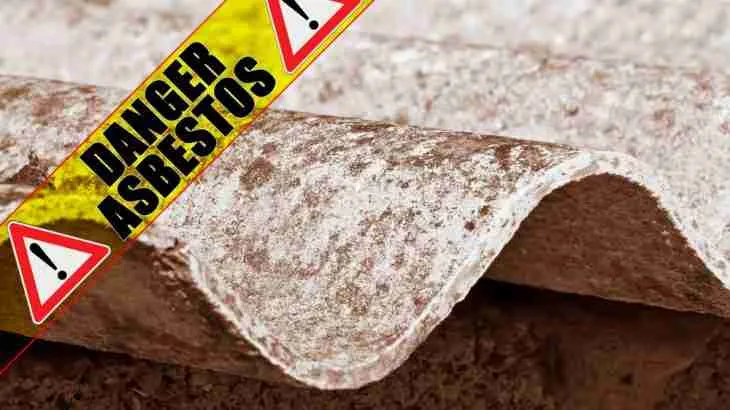
Why do so many asbestos disputes never make it to the courtroom stage in Britain? It’s a question that shakes workers, families, and legal experts across the board. These cases carry heavy stakes, life-changing illnesses, and industries desperate to protect their names. Courtrooms can be brutal, slow, and unpredictable with outcomes leaving both sides worn out. Settling avoids the harsh spectacle of public trials and saves years of draining uncertainty. To understand why, we need to dive deep into the forces shaping this hidden battlefield.
The Weight of Legal Pressure
Companies facing asbestos lawsuits often calculate the brutal odds stacked against them. Juries show sympathy for sick workers battling irreversible diseases caused by workplace neglect. That sympathy translates into severe damages that crush corporate defenses completely. By avoiding trial, companies control the risk of runaway verdicts turning catastrophic overnight. Lawyers advise settlement because it limits exposure to financial ruin in unpredictable courts. For corporations, it’s a shield from public judgment and economic destruction delivered by angry jurors.
The Human Cost Factor
Victims battling lung scarring and cancers rarely have the strength for drawn-out trials. Families are watching loved ones deteriorate while bills mount relentlessly and time slips away fast. Settlements deliver funds more quickly, sparing families the misery of endless legal entanglement. Speed matters because justice delayed for these victims is essentially justice denied in reality. The grim clock of disease pushes everyone toward compromise instead of courtroom theatrics. In the end, settlements reflect compassion wrapped in pragmatic urgency facing human fragility.
The Shadow of Corporate Secrets
Trials drag skeletons from company closets into public view with damaging consequences beyond payouts. Confidential documents, internal memos, and secret warnings become evidence under harsh judicial light. Firms prefer settlement because it keeps those files sealed away from news headlines. A quiet agreement shields reputations, investors, and brands from irreversible blows of scandal. Asbestos Claims settled privately prevent damning narratives from being etched forever into public record. For corporations, secrecy often matters more than the money handed to victims.
The Economics of Settlement
Court battles are astronomically expensive for both sides burning resources without guarantee. Legal teams, expert witnesses, medical evidence, and endless hearings bleed money constantly. Settling cuts those costs dramatically while securing predictable outcomes everyone can live with. For victims, settlement avoids draining funds into attorney fees and procedural labyrinths. For companies, it reduces litigation budgets and satisfies insurers eager for closure. Economics makes compromise a cold yet powerful incentive that courts simply cannot replicate effectively.
The Urgency of Time
Time is cruel in asbestos-related illness where survival often feels like a countdown. Victims want resolution within months, not years lost inside dusty legal archives. Courts move slowly, clogged by bureaucracy and backlog choking every possible case flow. Settlements slice through that gridlock, offering immediate relief to desperate families and patients. The reality of illness makes waiting impossible, forcing both parties toward resolution faster. Time itself becomes the judge, jury, and executioner pushing settlements to the forefront.
Conclusion
Asbestos settlements rarely happen by accident; they are forged by raw necessity and survival. Trials expose corporations to ruin, victims to delay, and both sides to relentless exhaustion. Settlement delivers speed, secrecy, and certainty in a landscape shaped by pain and risk. In Britain’s asbestos struggle, compromise stands not as weakness but as inevitable, calculated endurance.